

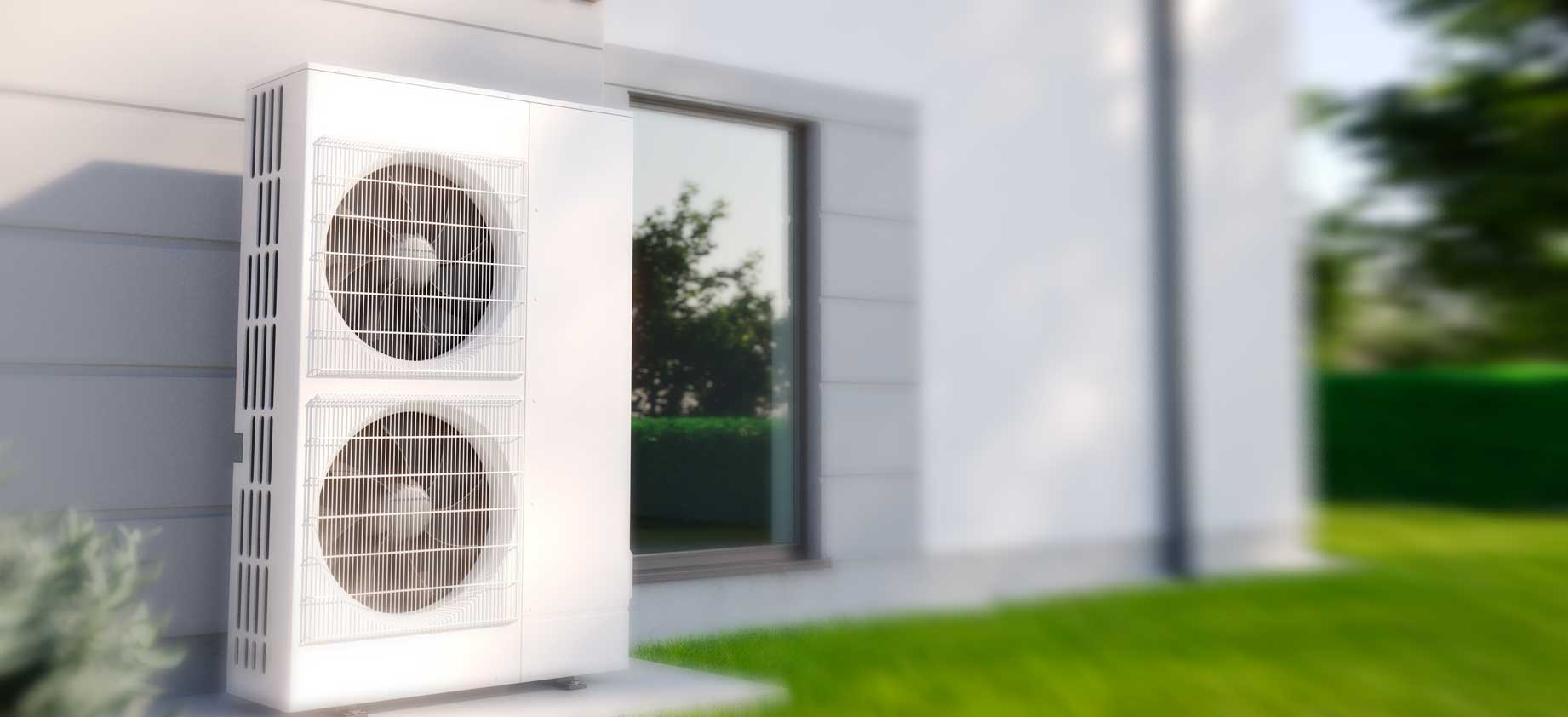










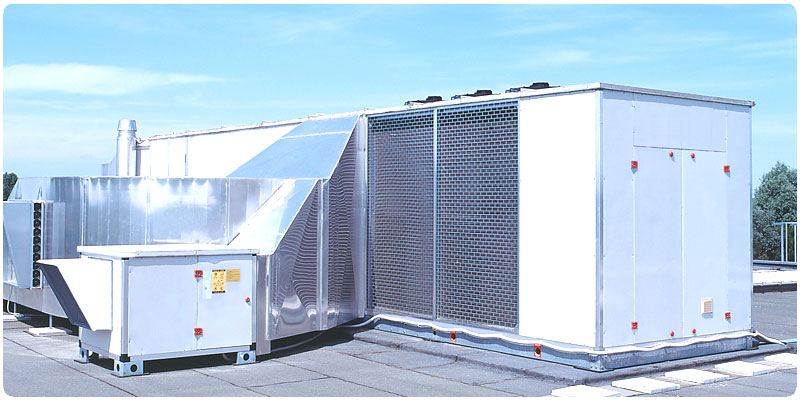
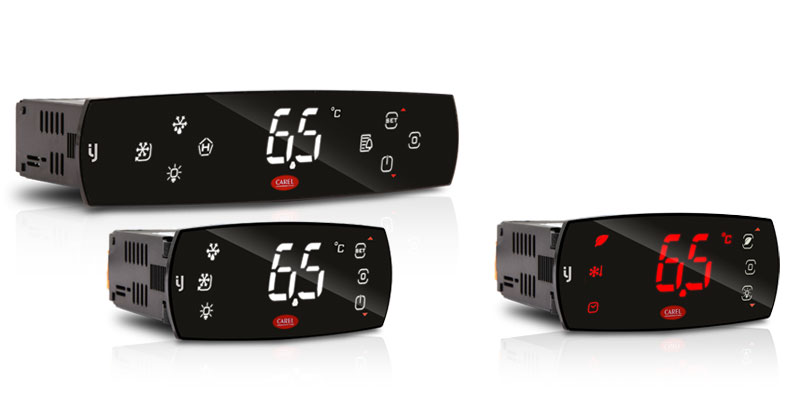


Each air-conditioning system is controlled by a thermostat that measures the temperature variations inside the environment, compares these against the ideal temperature (set point) and, when necessary, starts the compressor.
When the set point is reached, the thermostat stops the compressor and stops the flow of refrigerant to the evaporator. This process occurs whenever the room temperature exceeds the set point, and consequently leads not only to notable swings in the temperature, but also results in the compressor starting and stopping repeatedly at full capacity, in turn meaning significant energy consumption.
To avoid this waste of energy and at the same time achieve advantages in terms of thermal comfort and reduced noise levels, an electronic device has been designed that varies the frequency of the power supply to the electric motor that drives the compressor.
This device, called an inverter, allows the compressor (if suitably configured) to operate continuously at reduced capacity, without however falling below a minimum threshold.
As the compressor is never stopped, the desired temperature is maintained more effectively (that is, with minimum swings in the temperature) and the energy consumption related to the peak current required to start the compressor each time is eliminated.